Shifty Bites Blog · Leadership & Strategy
Restaurant Operations: Standardize Before Location 2
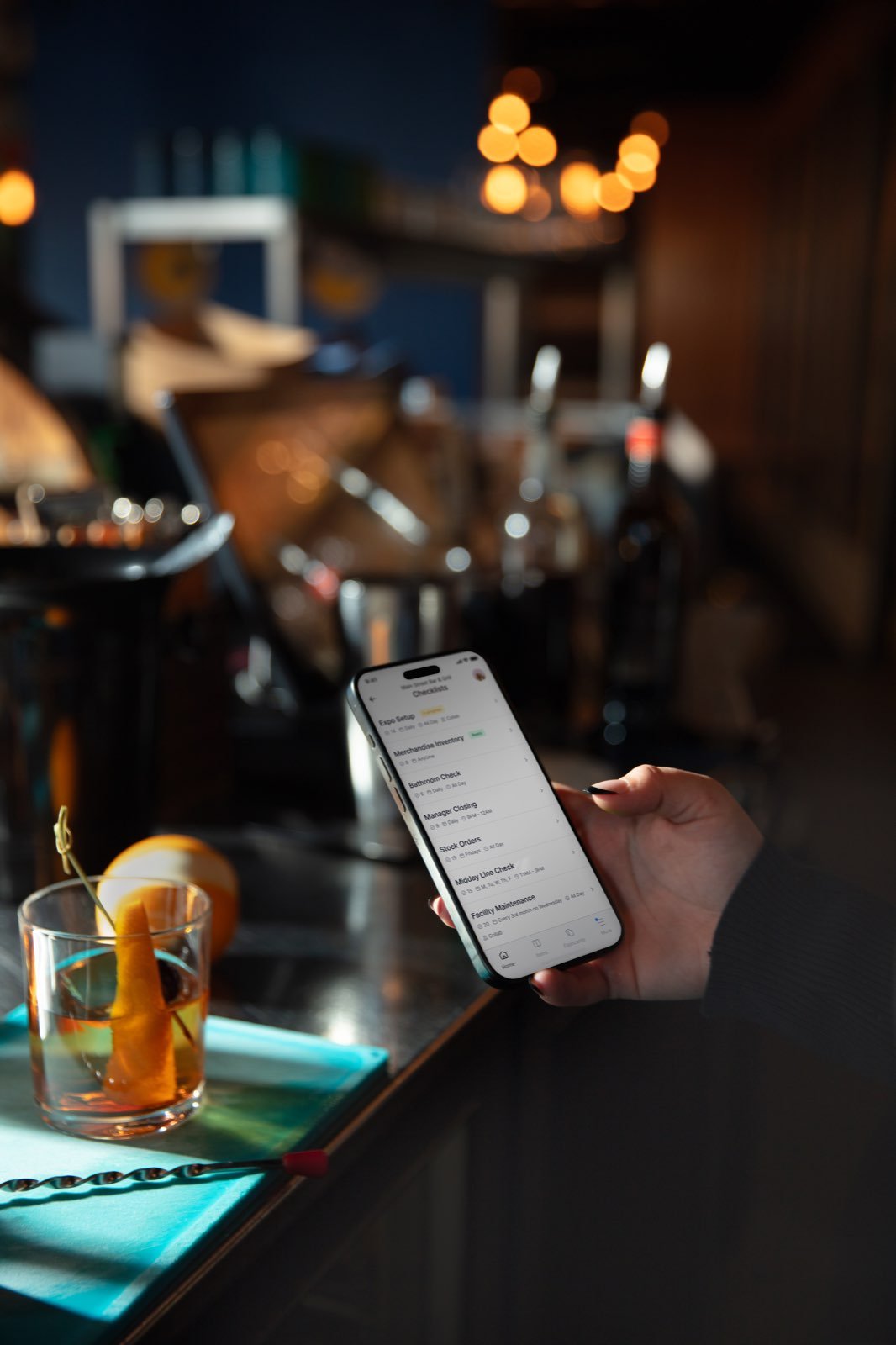
Restaurant operations get real the second you start talking about location two. In one store, you can patch problems with your presence, your gut, and that one manager who just “knows how you like it.” The moment you add a second set of doors, you are not just running a restaurant anymore. You are running a repeatable way of working that has to hold up when you are not standing on the line.
So before you sign anything, you want one thing: a version of your business that can survive a Tuesday lunch, a Friday dinner, and a surprise call-out without you being the glue.
That does not require a giant binder nobody opens. It takes a short list of non-negotiables, a clean set of SOPs, training people actually use mid-shift, and a simple loop for checking if your standards are still happening.
Restaurant operations: why you standardize before location two
If location one runs on tribal knowledge, location two runs on interpretation. That is how you end up with the same dish plated two different ways, two different answers to the same guest question, and ticket times that swing because each manager has their own “system.”
Standardization is not about being corporate. It is about protecting what guests already like about you.
If you want a gut-check on why consistency matters, the standardizing operations guidance from David Scott Peters is a solid starting point for benchmarks and operational guidance across concepts. The common thread is simple: what you measure and consistently coach is what stays consistent.
Restaurant operations: pick the few things that must never change
A mistake we see all the time: teams try to document everything, all at once. Then nothing gets used because it is too big, too fuzzy, or too hard to find when the printer is yelling and you are already in the weeds.
Start with a quick sorting exercise. Three buckets is enough:
- Fixed: core recipes, portion tools, allergen standards, food safety rules, brand tone, steps of service
- Adaptable: seasonal features, pricing bands, labor targets by daypart, local staffing realities
- Local-only: neighborhood partnerships, community events, one or two market-specific items with guardrails
This keeps your identity tight while still letting a strong GM run the store like a real operator.
Write SOPs like you are handing the shift to someone you trust (but you are not there)
Your SOP is a standard operating procedure. In plain terms: it is the way you want something done, written down clearly enough that a capable person can do it on a busy shift without guessing.
Here is the line we use when we help teams build SOPs: write it for the moment when you are short-staffed, it is loud, and nobody has time to debate.
Build your first wave of SOPs around the moments that hit guest experience, safety, and your P&L:
- Open and close: front of house / back of house (FOH / BOH) routines, cash handling, cleaning standards
- Prep and line: par levels, labeling, holding times, portioning, plating photos
- Service flow: steps of service, expo calls, table touches, comps and voids rules
- Recovery: what “make it right” means in your brand, who approves what, how you follow up
- People systems: onboarding steps, shift change handoffs, call-out process, manager coverage plan
Keep each SOP tight. One job, one page, one point. If you cannot teach it in a shift, it is not an SOP yet. It is a manual.
Standardize the stuff that quietly wrecks your numbers: recipes, specs, and COGS
Food cost is usually where inconsistency shows up first. One location uses a heavier hand on cheese. Another buys a “close enough” substitute because the vendor was out. A prep cook tweaks a recipe to save time. None of it feels dramatic in the moment, then your COGS is up and you are arguing about why.
This is where having written standards stops being “nice” and starts being expensive if you skip it. Sage calls out how multi-unit groups can lose control fast without standardized recipes and purchasing discipline in their multi-unit restaurant management guide.
Before location two, lock down:
- Recipe cards: weights, yields, portion tools, photos of the correct build
- Approved specs: exact products and acceptable substitutes
- Inventory cadence: when counts happen, who signs off, how variances get handled
- Waste rules: what gets logged, what gets repurposed, what gets tossed
You are not trying to be rigid. You are trying to make “the same menu” actually mean the same thing in two kitchens.
Training is where restaurant operations either stick or slowly drift
You can write the cleanest SOPs on earth and still lose the plot if training is optional, buried in a folder, or treated like something you do only when you have time.
And you already know what happens next: a new hire learns one shortcut from a tired trainer, a shift lead teaches the next person that shortcut, and suddenly it is “how we do it” at that location.
This is the part we built Shifty for. You take your standards and turn them into:
- Training Paths that are role-based, so the line cook is not wading through host content
- A guided shadow shift, which is a supervised training shift guided by a checklist
- Pop Quizzes and Knowledge Checks that reinforce the details that get missed during a rush
If you want a simple readiness question, use this one: could someone who has never met you run your Friday dinner play correctly using your training system? If the answer is “not yet,” that is a gift. Fix it now, before you duplicate it.
If you want to see what this looks like when it is built for real shifts, start with Shifty Training & Onboarding.
Checklists that prove the work happened, without turning your managers into suspects
Once you have two locations, you cannot manage through late-night texts like “Did we do the close right?” You also cannot create a vibe where everyone feels policed. Good operators know the difference between accountability and gotcha.
That is why we like digital checklists that are quick, clear, and consistent. In Shifty, teams can use Checklists with Photo Proof for critical tasks. It is not about surveillance. It is about removing the gray area on things like sanitation, line setup, and close-down standards.
When you are building your foundation, start with three checklist buckets:
- Daily non-negotiables: opening, closing, cash, cooler temps, line checks
- Shift change: manager handoff notes, 86 list, pars, comps and voids review
- Weekly standards: deep clean, equipment checks, training catch-up, coaching conversations
If you want a concrete example of how teams run these on a phone during a shift, see Shifty Checklists.
Audits and scorecards: keep restaurant operations consistent across locations
Standardizing is not a one-and-done project. It is more like keeping knives sharp. You put a rhythm around it, so little problems do not turn into “that store always does it wrong.”
We recommend an audit loop that fits your reality:
- Weekly: quick ops pulse on food cost signals, labor, guest feedback themes, training completion
- Monthly: a fuller standards audit on service flow, prep, sanitation, ticket times, brand execution
- Quarterly: refresh SOPs and training based on what you are seeing on the floor
For the compliance side of sanitation and safe handling, it helps to anchor your expectations in recognized standards. The U.S. FDA Food Code is the baseline many health departments use, and it is a good reference point when you are tightening up checklists and training around temps, cross-contamination, and cleaning routines.
| Area | What to measure | What to do when it’s off |
|---|---|---|
| Training execution | Training Paths completion, shadow shift completion, knowledge check scores | Reassign training, coach the trainer, tighten the SOP |
| Daily standards | Checklist completion, photo proof quality, missed tasks by shift | Fix staffing gaps, simplify steps, retrain the “why” |
| Service consistency | Steps of service adherence, recovery patterns, review trends | Run roleplay, adjust station charts, coach pacing |
| Cost control | COGS variance, waste logs, inventory variance | Audit portions, retrain prep, confirm vendor specs |
30 days before you open: a restaurant operations standardization checklist
If you are about a month out from signing a lease, breaking ground, or putting a timeline on location two, focus on the basics you will be grateful you finished when you are staffing two teams at the same time.
- Write your non-negotiables: what must be identical across locations
- Finish your top SOPs: start with the 20 that touch guest experience, safety, and cost
- Build role-based onboarding: Training Paths for each position, plus a shadow shift checklist
- Launch the core checklists: open, close, shift change, weekly deep clean
- Set the audit rhythm: weekly pulse, monthly audit, quarterly refresh
- Assign owners: who updates SOPs, who approves changes, who trains the trainers
If you want to see how groups use Shifty to keep standards tight across units, visit Shifty for multi-unit restaurants.
FAQ
How do you standardize restaurant operations without killing what made location one special?
Standardize the core and protect the vibe. Lock fixed items like recipes, portions, allergen standards, food safety, and steps of service. Leave controlled flexibility for seasonal specials and local marketing, with guardrails so the brand still feels like the same brand.
What SOPs should you write first before opening a second location?
Start with open and close, prep and line setup, core recipes and portioning, cash handling, guest recovery, and manager handoffs. If it impacts food safety, guest experience, or COGS, it belongs in your first wave.
How often should you audit restaurant operations in a multi location restaurant?
A weekly pulse catches drift early, a monthly standards audit protects consistency, and a quarterly refresh keeps SOPs and training aligned with what is really happening on the floor.
What is the fastest way to make training consistent across locations?
Turn standards into role-based Training Paths and a guided shadow shift, then reinforce with Pop Quizzes and Knowledge Checks. If training lives in one manager’s head, it will not scale. If it lives in the system your team uses every shift, it has a fighting chance.
How can Shifty help before you open your second location?
We help you translate SOPs into Training Paths, shadow shift checklists, and daily Checklists with Photo Proof, then give managers visibility through the Manager Dashboard and Multi-Location Rollups. If you want an example of how we think about onboarding that works on real shifts, read streamlining restaurant onboarding without skipping a beat.
Conclusion
Opening a second location is not just adding seats. It is multiplying your restaurant operations, your training load, and your chances for standards to drift. If you standardize first with a clear non-negotiables list, floor-friendly SOPs, training that gets used, and a simple audit rhythm, location two becomes a repeatable win instead of a second reinvention.
When you are ready to turn your standards into a system your team can actually run on their phones, start with Shifty Training & Onboarding.
Written by
Beth Hussey



See Shifty in action.
Book a 15-minute demo and see how Shifty helps restaurants schedule, train, and retain.
Book your free demo