Shifty Bites Blog · Leadership & Strategy
How to Improve Restaurant Operations Without Hiring
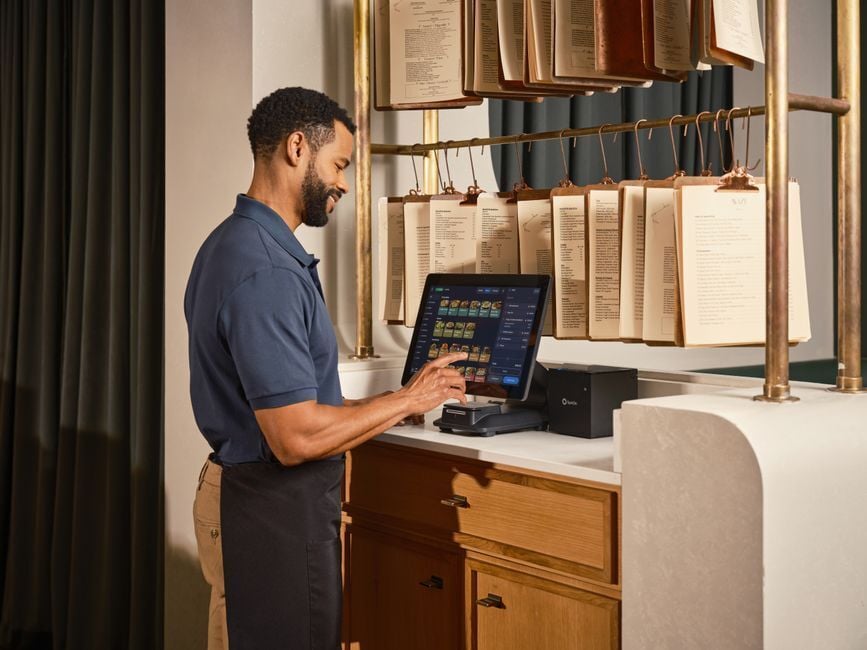
How to improve restaurant operations without hiring starts with one simple observation from the floor: most shifts don’t fall apart because you’re short a person. They fall apart because the “way we do it” lives in someone’s head, and that person is either off today or buried on expo.
You’ve seen it. A closer skips one last thing because the dining room popped late. A new hire fills in the blanks with guesses. A manager spends the night answering the same questions instead of running the room. None of that means your team is bad. It means your system is too easy to drift.
So let’s talk about what actually helps. Below are practical, real-world ways to tighten execution with the people you already have, and to make your best shift repeatable on an average Tuesday.
How to improve restaurant operations: start by writing standards people can use mid-shift
If your smoothest service only happens when one specific manager is on the floor, your restaurant operations are being held together by personality. That works right up until someone calls out, you promote a lead, or you open location two.
Standards fix that, but only if they’re written in plain restaurant language and built for real life. An ops manual should answer the questions your team asks out loud during a rush, not the questions you wish they asked.
Restaurant SOPs and why writing them down isn’t enough lays out the part most operators learn the hard way: documentation is step one, not the finish line. The goal is behavior on the shift.
When you clean up your standards, keep it tight:
- One process, one owner for front of house (FOH) and back of house (BOH) standards
- Short SOPs that a tired closer can still follow
- One source of truth so the “new version” does not turn into five versions
- Built into the day, not filed away like a policy manual
How to improve restaurant operations with SOPs that turn into “done” (not “known”)
SOP stands for standard operating procedure. You already know that. The hard part is making sure the SOP turns into consistent execution when it’s loud, you’re short, and the shift is moving fast.
This is where operators stop relying on reminders and start relying on routines. The SOP tells your team the right way. The routine makes the right way happen without you hovering.
In Shifty, you can keep standards and daily execution connected with Checklists with Photo Proof. It’s simple: if a task needs verification, the proof is built in. Managers can confirm completion in the Manager Dashboard without doing laps all night.
If you want quick wins, start with the tasks that create the most rework:
- Line and station setup that affects ticket times
- Sanitation and line checks that protect quality and speed
- Shift handoff notes that stop the “I thought you did it” spiral
- Manager walkthrough expectations that actually get completed
Train like you mean it: make “good enough” training less dependent on your best trainer
When training is inconsistent, your whole operation pays for it. You feel it as interruptions mid-rush, avoidable mistakes, comps and voids that should have been preventable, and managers who spend their night translating the basics.
Stronger training is not about longer training. It’s about giving people the right information in the right order, then reinforcing it until it sticks.
A good north star comes from the National Restaurant Association Educational Foundation and its work on turnover and training economics. Their report Turning the Table on Turnover cites a Cornell University study estimating it costs about $5,864 to replace one hourly employee. That’s why tightening onboarding matters even when you’re not hiring more people. You’re protecting the team you already have.
With Shifty Training & Onboarding, you can turn your onboarding into role-based Training Paths, guided shadow shift checklists, and Pop Quizzes and Knowledge Checks. Your best trainers still coach. They just stop repeating the same explanations every single week.
To make training hold on the floor, focus on two things:
- Role clarity: what a host needs on day one is not what a line cook needs
- Short reinforcement: quick refreshers after real shifts beat an info dump on day one
How to improve restaurant operations by using the data you already have (without turning into a spreadsheet person)
You do not need fancy analytics to run a tighter shop. You need fewer arguments and faster decisions. The fastest way to get there is to use signals you already have from your point of sale (POS), inventory habits, and guest feedback, then turn what you learn into a standard. Think of it as a loop: notice the pattern, decide the fix, bake it into the shift, then check if it worked.
Here are a few low-drama ways to use data in the real world:
- Track comps and voids by daypart and tie spikes to one retraining moment
- Look at ticket times by station to find the actual bottleneck, not the loudest complaint
- Review your 86 history and adjust pars so you stop surprising yourself at 7:15 p.m.
- Compare schedule vs. covers to catch chronic overstaffing or understaffing
Cut waste by tightening prep discipline and portion habits (the profit you can feel)
Waste is sneaky. It hides in “just a little extra,” batch prep that is always slightly too big, and product that expires because nobody owns the pars. Fixing it does not require a new position. It requires tighter habits and clearer ownership.
When prep and inventory standards are consistent, the whole building gets calmer. Fewer emergency orders. Fewer mid-shift substitutions. Less arguing about whether you’re actually out or just not stocked correctly.
Gopazo’s overview of standardized restaurant operations management connects the dots well: consistent processes reduce variation across shifts, which shows up in quality, waste, and the guest experience.
If you’re deciding where to start, aim at the usual suspects:
- High-waste items: proteins, produce, and batch-prep items
- High-variance items: sides and sauces that get eyeballed instead of measured
- High-complaint items: anything that gets re-fired or comped often
Turn manager heroics into shift routines your team can follow
You can muscle through a lot with strong managers. We’ve all done it. But when your operation depends on heroics, your managers burn out and your standards wobble the moment they take a day off.
The fix is not “care more.” The fix is a clear set of routines that make follow-through normal.
- Define what FOH and BOH leads own, by daypart
- Use one place for shift communication so it doesn’t disappear in a group text
- Coach with visibility, so feedback is based on what happened, not on vibes
If you’re feeling the strain, you’ll relate to Reducing Manager Burnout: Why Smarter Scheduling + Training Tools Matter. It’s a practical look at what to standardize first so managers can manage again.
A simple 30-day plan to improve restaurant operations without hiring
You don’t need a grand reopening of your entire playbook. You need one focused month where you pick the right targets and make them stick.
| Timeline | Focus | What you implement | What you measure |
|---|---|---|---|
| Week 1 | Standards | Your top 10 SOPs tied to guest experience and shift flow | Repeat issues and manager observations |
| Week 2 | Shift execution | Opening and closing routines run in a mobile checklist | Completion rate and the most-missed tasks |
| Week 3 | Training | Role-based Training Paths plus one shadow shift per role | Time to proficiency and common mistakes |
| Week 4 | Feedback loop | A weekly lead review plus one operational change rolled out | Comps/voids trends and recurring guest complaints |
Keep it honest. The point is not to document every corner of your business. The point is to remove the friction that makes you feel like the answer is always “hire one more.”
FAQ: improving restaurant operations with a lean team
What is the fastest way to improve restaurant operations without hiring?
Pick two to three high-impact routines first: opening, shift handoff, and closing. Write the standard in plain language, then run it consistently for two weeks before you add more.
How do SOPs actually help when it gets busy?
A good SOP removes decision-making. Your team stops guessing and stops asking the same questions. Pair the SOP with a routine, like a checklist, so the work still gets finished at the end of a long night.
What should you standardize first across multiple locations?
Start with anything that affects brand consistency: steps of service, core food safety habits, and the opening and closing routines. Then make sure every location is running the same version, with visibility into completion and coaching.
How do you get staff to actually use training and checklists?
Make it mobile, short, and directly tied to the job they are doing today. If it helps them get through the shift with less stress and fewer corrections, adoption follows.
Does improving restaurant operations mean adding more software?
Not automatically. The goal is fewer tools that do more. If you add something, it should give time back to managers and make standards easier to follow during a real shift.
Conclusion
You can improve restaurant operations without hiring, but you do have to be intentional. Write the standards your team can actually use, turn them into routines, reinforce training in small bites, and keep a simple feedback loop going.
If you want to see what it looks like when training, communication, and execution live in one place, start with Shifty’s restaurant training and operations platform and decide what you’d standardize first.
Written by
Beth Hussey



See Shifty in action.
Book a 15-minute demo and see how Shifty helps restaurants schedule, train, and retain.
Book your free demo