Shifty Bites Blog · Operations & Efficiency
Restaurant Line Check + Prep List for Kitchen Consistency
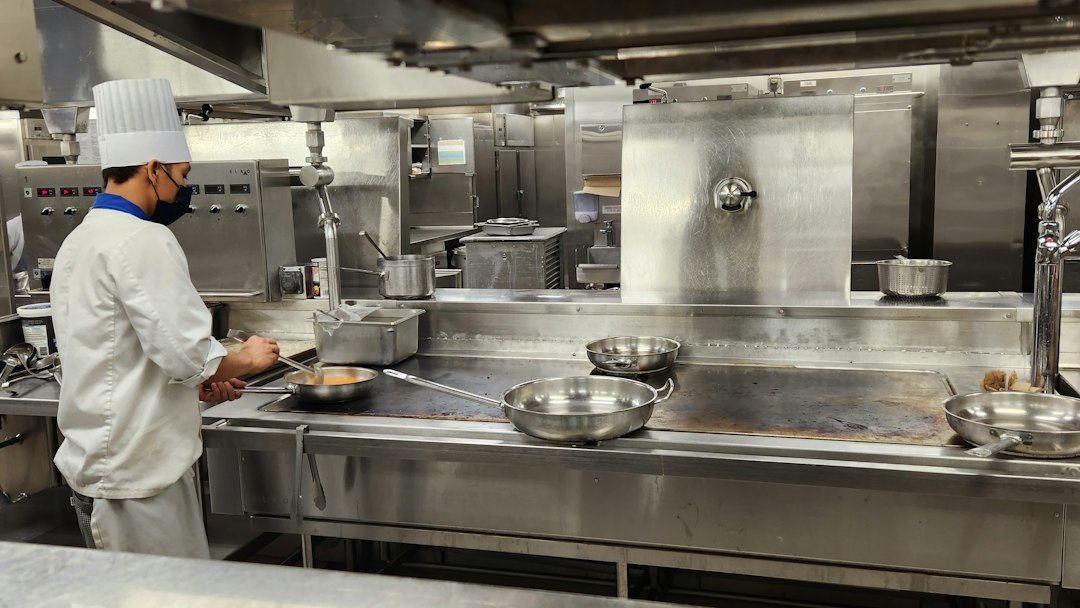
Restaurant line check routines are what keep your night from turning into “Who touched my backups?” and “Wait, are we out of ranch?” You can have talented cooks and a solid menu, but if the line is set differently every day, you end up cooking with guesswork. And guesswork always shows up right when tickets start piling.
When you build a simple rhythm around two things, your kitchen gets noticeably steadier: a kitchen prep list that tells each station what “enough” looks like, and a restaurant line check that confirms the station is actually ready before service hits.
Restaurant line check: what it is (and what it is not)
A restaurant line check is a quick, structured lap through each station to confirm three things: food safety, setup, and standards. It happens before your busiest push, while you still have time to fix issues without yelling across the pass.
It is not a vague “looks good” drive-by. And it is definitely not a paper ritual where everybody signs something and hopes for the best.
If you need a gut-check on what “should be checked” across a shift, the FDA Food Code guidance is a solid reminder of why time and temperature control, sanitation, and labeling are not optional when you are moving fast.
Restaurant line check: what you verify every shift
If your line check is only “do we have enough prep,” you are leaving a lot of value on the table. The best line checks protect speed, safety, and food cost at the same time.
- Temps: hot holding, cold holding, walk-in pulls, and anything time-sensitive
- Par levels: what is on the line, what is in backup, and what is likely to run out
- Station setup: pans, utensils, towels, sanitizer buckets, labels, and the general “is this station workable?” test
- Quality and spec: taste, texture, portion tools, and any easy-to-miss details like sauce thickness or batter consistency
- Equipment readiness: thermometers available and working, burners behaving, lowboys holding temp, flattop in decent shape
This is the stuff that feels small at 3:30 and becomes a full-blown problem at 6:45.
Kitchen prep list: the quiet system behind every restaurant line check
Your line check can only validate what exists. If prep is inconsistent, the line check turns into a bad-news meeting. That is why your kitchen prep list matters more than most people admit. It is the upstream work that makes the rush feel predictable.
A prep list that actually gets used has three traits:
- It is station-owned: grill owns grill prep, pantry owns pantry prep, and so on
- It is specific: “3 quarts vinaigrette, labeled and dated” beats “make dressing” every time
- It is tied to real volume: yesterday’s covers and today’s reservations, not vibes
If you want a practical lens on why standards only work when you write them down and coach to them, we like this David Scott Peters piece on restaurant SOPs and how to make them stick. We see the same thing in prep systems: the written standard is step one, the follow-through is the whole game.
Restaurant line check + kitchen prep list: your consistency loop
Think of your kitchen prep list and your restaurant line check as one loop.
- Your prep list sets the target: what gets made, how much, and who owns it.
- Your line check confirms reality: made to spec, held safely, staged so the station can cook without hunting.
This matters even more when the person who prepped the station is not the one working it. That is where a lot of “we always do it this way” falls apart.
- Set pars based on recent sales, events, and daypart patterns
- Prep by station with one clear owner per list
- Run the line check before peak, same path every day
- Adjust tomorrow’s pars based on what ran out and what got tossed
When to run a restaurant line check (timing that works in real life)
Most kitchens get the best results running a restaurant line check 60 to 90 minutes before peak. That window is late enough that stations are mostly built, but early enough that you can still recover if you spot a gap.
Then add a “tiny lap” right before the first real pop. Five minutes. Focus on two things only: temps and pars. You are not rewriting the prep plan in that moment. You are just making sure the station will not fall over in the first twenty tickets.
Par levels, waste, and the prep list: how you stop throwing money away
Over-prep feels safe until you are scraping pans into the trash at close. Under-prep feels lean until you are 86’ing items and burning labor making emergency backups.
Pars are how you stay out of both ditches. Your kitchen prep list sets the pars. Your restaurant line check tells you if those pars match reality.
When you are unsure what “safe holding” really requires, ServSafe lays out clear expectations around time and temperature controls in their food safety training standards. That is not just compliance talk. It directly affects re-fires, waste, and whether your product tastes the way it should.
A sample kitchen prep list + line check table (simple enough to run on a busy week)
You do not need a masterpiece. You need something your team can follow when it is loud and everybody is moving.
| Station | Prep list (before service) | Restaurant line check (60 to 90 min before peak) |
|---|---|---|
| Garde manger / pantry | Portion proteins, portion greens, make dressing, stock cold wells to par | Cold well temps, backup portions labeled, clean tongs, towels and sanitizer set |
| Fryer | Portion fries, bread items, set backup baskets, prep sauces to par | Oil level and clarity check, timers working, backup baskets staged, portion tools ready |
| Grill | Portion burgers and chicken, backup proteins staged, seasoning blend filled | Surface hot and clean enough, probes available, backups within reach, pans labeled |
| Saute | Batch sauces, portion pasta or rice, stage butter and aromatics | Lowboy temps, sauces hot held properly, sauté pans and utensils ready, labels correct |
Make the language match how your team talks. “Stock cold wells to par” might be perfect for your kitchen. If your crew says “fill the rail,” write that instead.
Where line checks and prep lists usually break (and how you tighten them up)
Most breakdowns are not mysterious. They are predictable habits that creep in when nobody owns the standard.
- “It is in my head”: works great until your strongest person is off
- Lists are too long: people rush, skip, or pencil-whip
- Ownership is fuzzy: when everyone owns it, no one really does
- No feedback loop: pars stay the same even when volume changes
- No visibility: you cannot coach what you cannot see
One small move that helps: keep your line check path consistent. Same stations, same order, same expectations. You will be shocked how much faster the check gets once the team knows you are serious about the same standard every day.
How Shifty helps you run restaurant line checks and prep lists that people actually follow
If you are running paper and it works for you, respect. The challenge is not paper vs digital. The challenge is whether the standard survives shift changes, call-offs, and new hires.
With Shifty Checklists with Photo Proof, you can put your restaurant line check on the device your managers already carry. You can also build it by role, so your kitchen manager sees a different workflow than a shift lead. And you get visibility in the Manager Dashboard, without chasing clipboards.
Then you back it up with training so new cooks learn your setup the right way. That is where Training & Onboarding with Training Paths and shadow shift checklists helps. Instead of “watch Jamie for a few days and hope it sticks,” you give people a clear path and you can see what got completed.
If you are building consistency across locations, standards have to travel without you in the building. This ties closely to what we laid out in Leadership: You’re Doing the Right Things - Now Let’s Help You Do Them the Right Way. You do not need more good intentions. You need a system your team can run on a real Saturday.
FAQ: Restaurant line check and kitchen prep list basics
What is the best time to do a restaurant line check?
Run it about 60 to 90 minutes before your busiest window. If your concept moves fast, add a five-minute final lap right before the rush that only checks temps and pars.
Who owns the restaurant line check?
Make it manager-owned: chef, kitchen manager, or manager on duty. Station leads should be present so gaps get fixed on the spot, not “later if we have time.”
How detailed should a kitchen prep list be?
Detailed enough that two different cooks prep it the same way. Keep it short: item, spec, container, label standard, and par. If it reads like a novel, it will die on the printer.
How do prep lists reduce waste?
They push you to prep to a par instead of prepping out of fear. When you track “needed vs prepped” and adjust pars weekly, you stop overproducing the usual suspects.
How do you stop line checks from getting pencil-whipped?
Keep the check short, require specifics like temp entries, and make ownership obvious. Digital checklists that require proof and show who completed what make it harder to rush through without doing the work.
Conclusion
Kitchen consistency is not magic. It is a repeatable loop: a kitchen prep list that sets clear expectations, and a restaurant line check that confirms the station is ready before guests feel the impact. Run that loop every shift and your nights get calmer, your standards tighten up, and your team stops reinventing the line.
If you want help turning your line checks and prep into something that holds up across every shift and location, start with Shifty Checklists with Photo Proof and build from there.
Written by
Beth Hussey


See Shifty in action.
Book a 15-minute demo and see how Shifty helps restaurants schedule, train, and retain.
Book your free demo